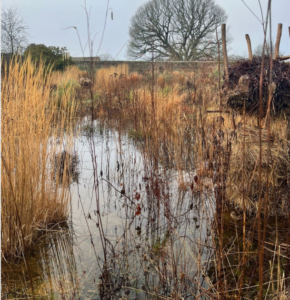
February: The Joys of the Ephemeral Pond
The year begins by plummeting us into a deep freeze – snow and ice lay over the country for a week, shadowed by biting arctic
 Skip to content
Home / Two decades of rewilding – a review
A twenty-year review shows rewilding brings nature roaring back
Published January 2026
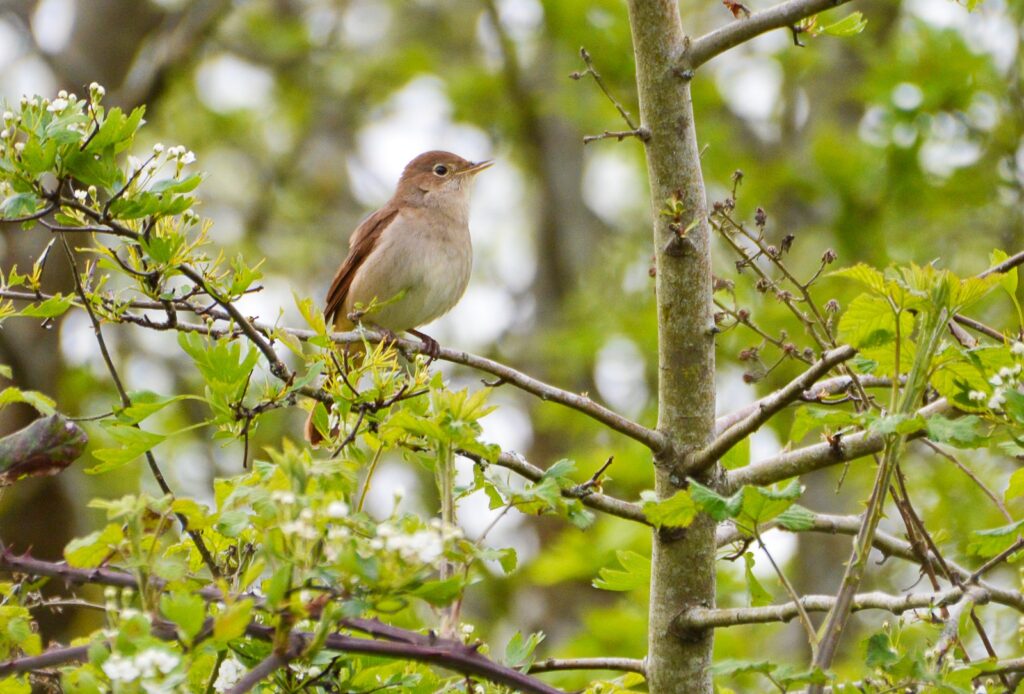
A two-decade ecological review at Knepp Wilding shows that rewilding has driven a dramatic recovery in wildlife on the 3500-acre estate in Sussex. Surveys reveal a 900% increase in breeding birds and a 500% rise in nightingales, alongside major gains in butterflies, dragonflies and other species.
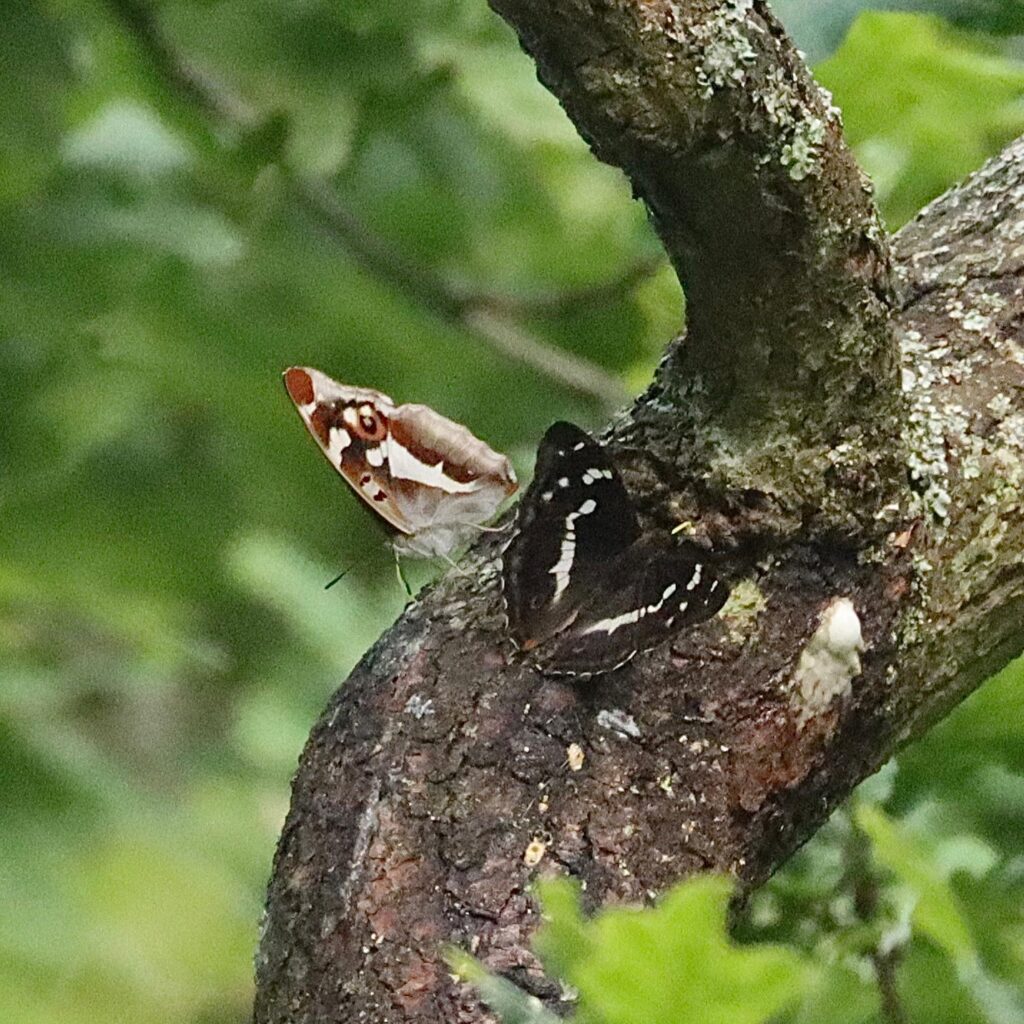
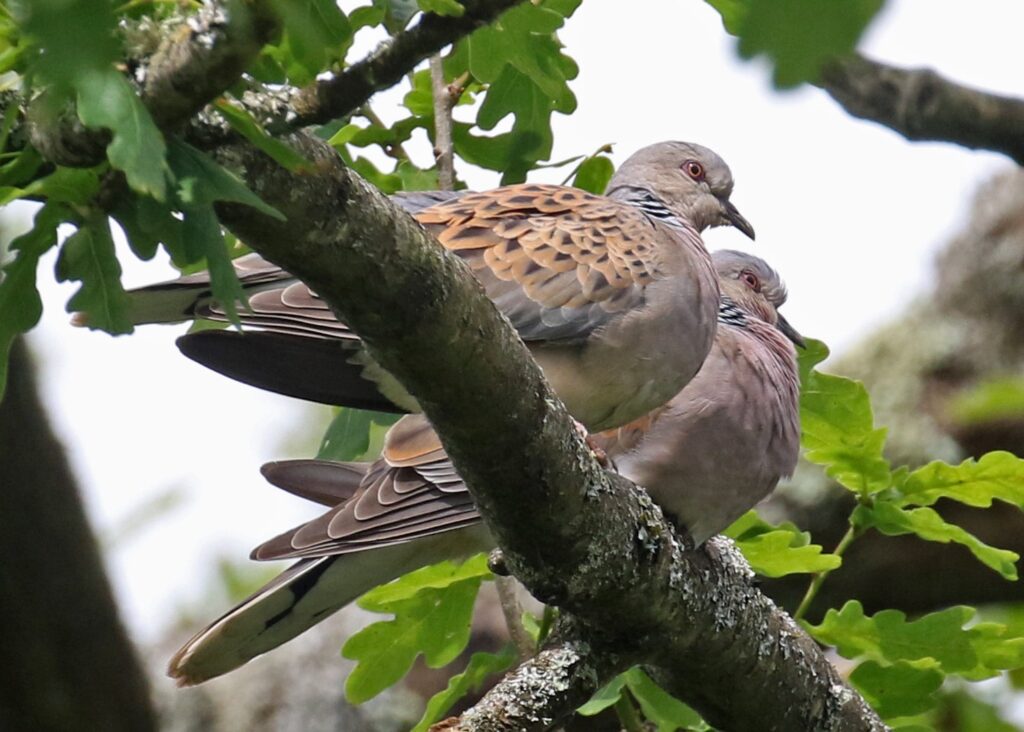
Endangered species like turtle dove and purple emperors have appeared at Knepp. Numbers of rare birds like nightingales have rocketed since Knepp started rewilding. In some areas, butterfly species have doubled, while dragonflies and damselflies have increased by nearly 900%.
As described in Isabella Tree’s book Wilding, Knepp was formerly unprofitable farmland. Tree and her husband, Charlie Burrell, chose a radical alternative: removing fences, breaking up Victorian drainage systems, allowing natural water flows to return, and leaving dead trees standing.
Scrub and woodland quickly regenerated. Free-roaming animals were introduced to replace extinct ecological roles, including old English longhorn cattle, Exmoor ponies, Tamworth pigs, red and fallow deer, and later white storks and beavers. These animals now drive a dynamic mosaic of habitats that has proved “rocket fuel” for wildlife recovery.
Isabella Tree, co-owner and co-founder of Knepp Wilding, said:
“We have gone from a depleted, polluted, dysfunctional farmland to one of the most significant biodiversity hotspots in the UK. The uplift in biodiversity shows how much life the land can hold. We should be much more ambitious for our nature reserves and rewilding projects.
“The UK has pledged to return 30% of land to nature by 2030, and it’s not happening fast enough. Rewilding is a powerful tool to get nature back.”
Fleur Dobner, an ecologist at Knepp who worked on the review, added:
“We’ve gone from a monoculture landscape to a rich mosaic of parkland, scrub, hedgerows, glades and grassland. The trend is strongly positive and still increasing year on year.”
The review found:
The year begins by plummeting us into a deep freeze – snow and ice lay over the country for a week, shadowed by biting arctic
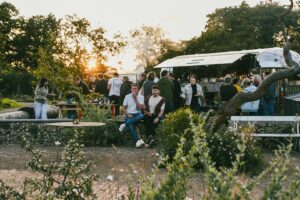
We are looking for dynamic, enthusiastic and passionate Front of House staff with a passion for great service, produce and sustainability to join our growing
Isabella Tree catches up with two of the White Stork Project volunteers, Tim Morgan and Rosemary Dewan, as they prepare food for the non-flying storks
Knepp Wildland Safaris, our gardens and campsite are all about the quiet and patient observation of nature.
Some of the species we are likely to encounter are shy or can be frightened by loud noises or sudden movements. Our campsite with open-air fire-pits, wood-burning stoves and an on-site pond is unsuitable for small children.
For this reason, our safaris, garden visits, holiday cottages and campsite are suitable only for children of 12 and over.
You’ll receive relevant offers and news by email. This will include information about the Rewilding Project, online store products, the Wilding Kitchen Restaurant / Cafe, and other exciting experiences / events across the Knepp Castle Estate. For more information, view our Privacy Policy.
2 thoughts on “Two decades of rewilding – a review”
These statistics are truly amazing. Such a wonderful environment for wildlife and humanity. The hard word and dedication is paying off. I’m so grateful to you. 👏
Congratulations on taking that huge, brave step 20 years ago! It makes me so happy to read this and know that there is hope in the world.